
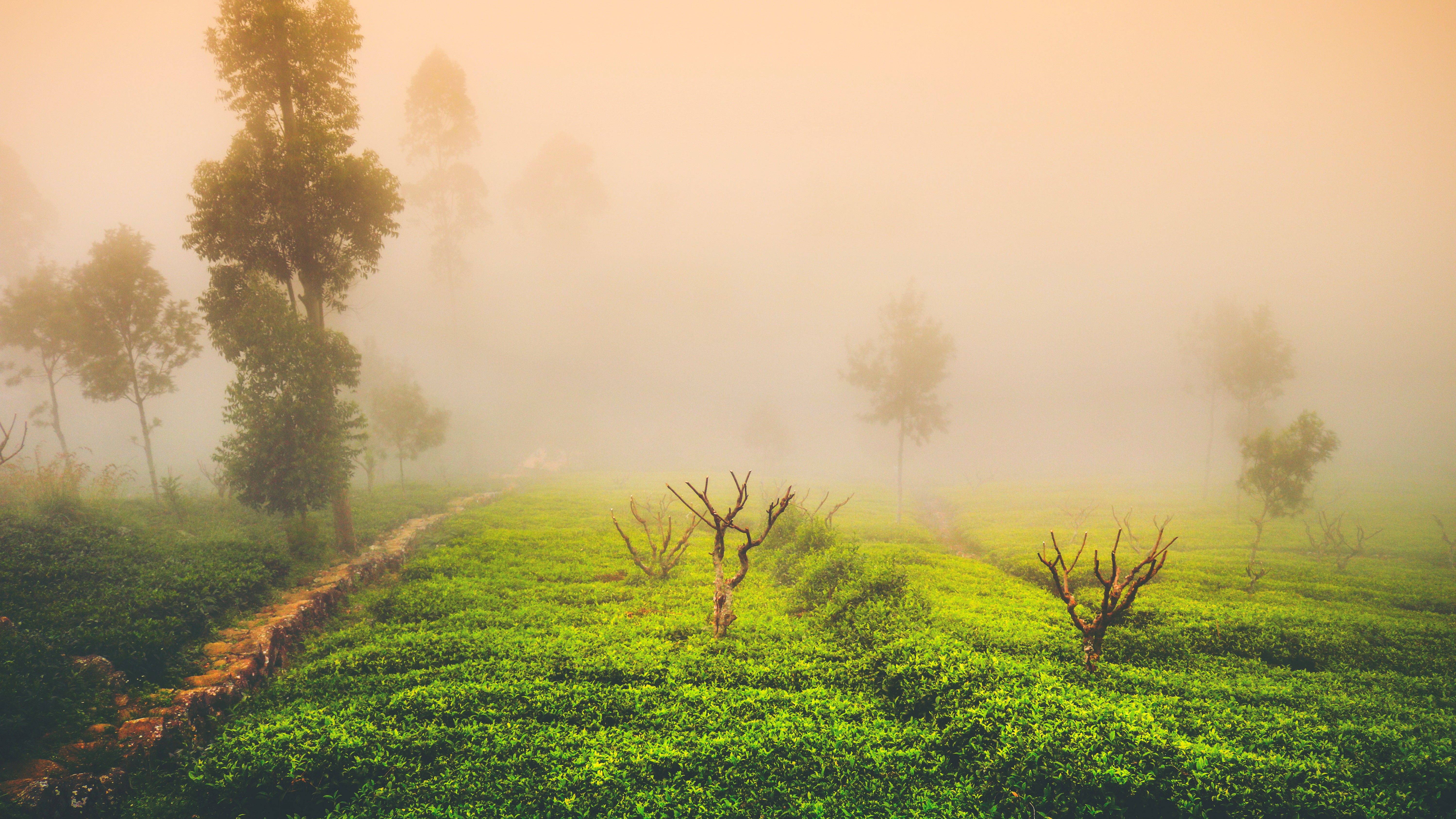
Sri Lanka is one of the most beautiful islands in the world. It is famous for its green forests, golden beaches, beautiful waterfalls, wildlife, mountains, and rich culture. Every year, thousands of local and foreign tourists visit the country to enjoy these amazing places. Tourism is very important because it creates jobs, supports local businesses, and helps the country's economy. However, if tourism is not managed properly, it can also damage the environment. This is why sustainable tourism is becoming more important than ever.
Sustainable tourism means travelling in a way that protects nature, respects local communities, and supports the economy without harming future generations. It encourages people to enjoy beautiful places while making sure those places remain clean and healthy for many years. Sustainable tourism is not only the responsibility of the government or tourism businesses. Every tourist can also make small choices that help protect nature.
Sri Lanka has many natural attractions that need protection. National parks such as Yala and Udawalawe are home to elephants, leopards, birds, and many other animals. The country also has beautiful beaches like Mirissa, Unawatuna, and Arugam Bay. Mountain areas such as Ella and Horton Plains attract visitors because of their fresh air and stunning views. If too many people visit these places without following proper rules, the environment can be damaged. Animals may lose their natural habitats, beaches may become polluted, and forests may slowly disappear.
One of the biggest problems caused by tourism is pollution. Some visitors leave plastic bottles, food wrappers, and other waste in natural areas. This rubbish can harm animals and make beautiful places look dirty. Plastic waste can also end up in rivers and the ocean, affecting marine life. Sustainable tourism encourages visitors to reduce waste by carrying reusable water bottles, using cloth bags, and placing rubbish in the correct bins. These simple actions can make a big difference.
Another important part of sustainable tourism is protecting wildlife. Many tourists visit Sri Lanka to see elephants, whales, turtles, and other animals. While wildlife tourism creates income, it should never disturb the animals. Visitors should keep a safe distance, avoid feeding wild animals, and follow the instructions given by park guides. Respecting wildlife helps animals live safely in their natural environment.
Sustainable tourism also supports local communities. Instead of spending money only at large hotels, visitors can stay in family owned guesthouses, buy handmade products, and eat at local restaurants. This allows local people to earn a better income while sharing their culture and traditions with visitors. When communities benefit from tourism, they are more likely to protect the natural environment around them.
Businesses also have an important role in sustainable tourism. Hotels and resorts can reduce water and electricity use, recycle waste, and avoid using single use plastics. Some hotels in Sri Lanka already use solar energy, plant trees, and organize beach cleaning programs. These efforts help reduce environmental damage while giving tourists a better travel experience.
The government can also support sustainable tourism by creating stronger environmental laws, improving waste management, and protecting forests, wildlife parks, and marine areas. Educational campaigns can teach both tourists and local people about the importance of protecting nature. Better planning can help control the number of visitors in sensitive areas so that the environment is not damaged by overcrowding.
Technology is also helping sustainable tourism. Many travel companies now promote eco friendly tours and digital tickets, reducing paper waste. Mobile apps can help tourists find responsible hotels, nature trails, and local guides who follow sustainable practices. Social media can also encourage people to travel responsibly by sharing useful information about protecting nature.
Every person can help protect Sri Lanka's natural beauty. Visitors can respect local customs, avoid damaging plants and wildlife, save water and electricity, and leave every place cleaner than they found it. Small actions from many people can create a big positive impact.
In conclusion, sustainable tourism is one of the best ways to protect Sri Lanka's natural beauty while supporting the country's economy and local communities. It allows people to enjoy amazing destinations without causing long term harm to the environment. By working together, tourists, businesses, local communities, and the government can ensure that Sri Lanka remains a beautiful destination for future generations. Choosing sustainable tourism today means protecting the island's forests, beaches, wildlife, and cultural heritage for tomorrow.